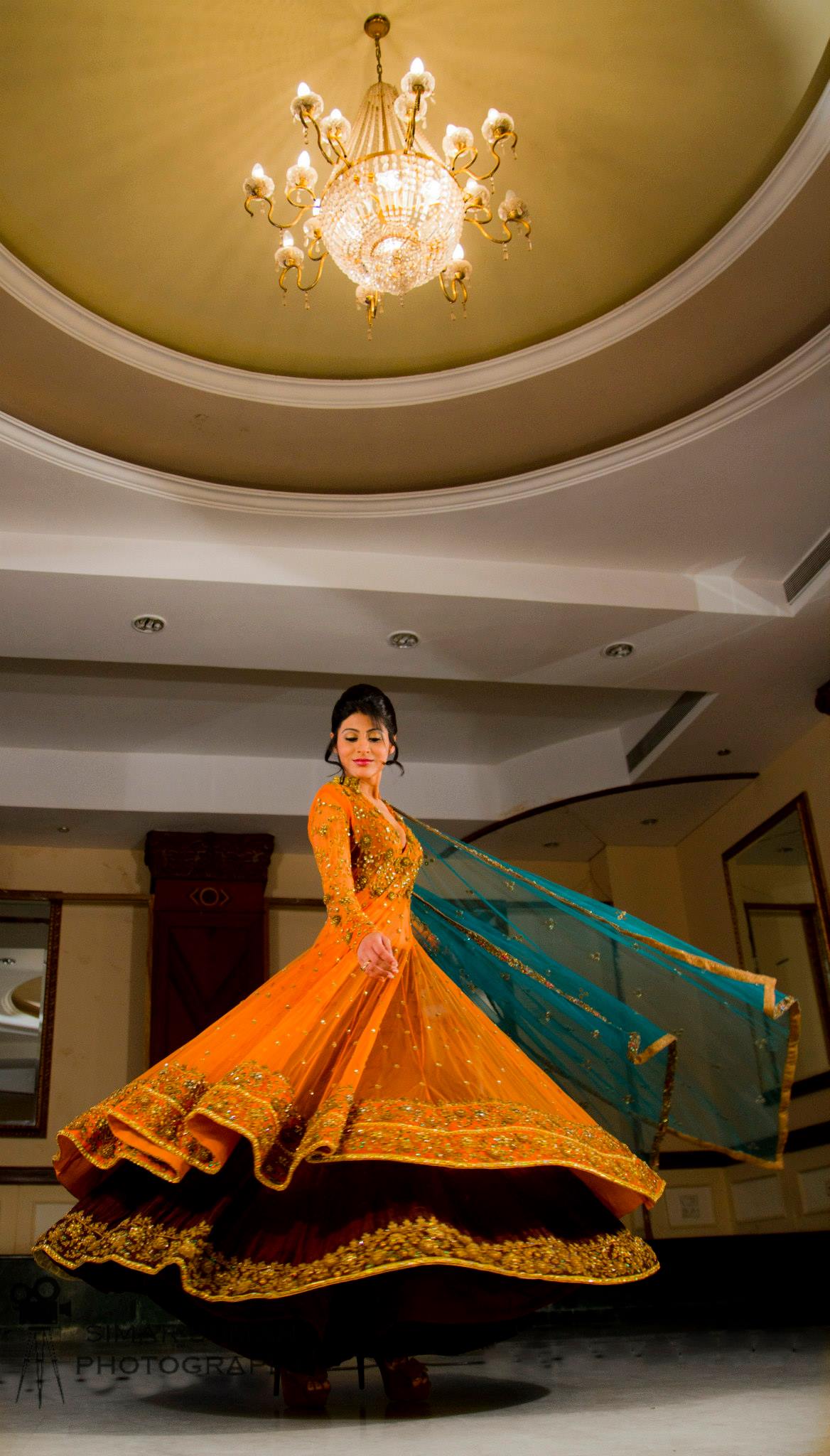
‘India Day’ Celebration By Indian High Commission At London Fashion Week

London Fashion Week is the grand extravaganza that showcases the best and the trendiest in the fashion circles every year. This year marked a special beginning for Indian fashion, with the first-of-its-kind ‘India Day’ celebration by Indian High Commission at the London Fashion Week. The grand event was held in Victoria House on February 15 and highlighted the elegance and grandeur of the quintessential Indian saree.

‘India Day’ was a tribute to the design, talent and textiles of the country that is so well known for its creative, cultural and traditional splendour. It was a fashion show that presented a remarkable line of attire created by the budding designers and artists from India’s Inter National Institute of Fashion Design (INIFD). The limelight at the event was on the traditional Indian sarees from various parts of India. 

Models presented sheer elegance on the ramp with as many as seventeen different varieties of sarees from across the country. The range was breathtaking, from Kashmiri and Phulkari from the North, to Kantha and Baluchari from West Bengal, Paithni from Maharashtra, Bandhni from Rajasthan, Ghatchola from Gujarat, Banarasi from Varanasi, Kasavu from Kerala and Kanjivaram from Tamil Nadu, all of which made a feast for the eyes. Madhya Pradesh’s Chanderi, Assam’s ethnic Mekhela Chadar, Odisha’s Sambalpuri and Lucknow’s Chikankari were some of the other exceptional varieties on show. 

Shabnam Harjai, Sandya Miriyala, Ayushi Jain, Pearl Lobo, Tanishaa Parakh, Soutrav Marndi, Suchitra Rani Sahoo amd Darshna Gothi were some of the acclaimed designers who participated in the event. The guest list was equally impressive, with the likes of Mrs Ruchi Ghanashyam, the Indian High Commissioner to the UK, Lord Tariq Ahmad, UK Foreign Office minister, Mark Regev, Israeli ambassador to the UK, and Saida Muna Tasneem, Bangladeshi High Commissioner to the UK. Mrs Ruchi Ghanashyam had generous words of praise for the wonderful craftspeople and weavers of India who create the most amazing and rich variety in sarees. 

Another highlight of the event was a video message by Mrs Smriti Irani, the Union minister of textiles, who addressed saree as the pride of the country rather than just being a piece of clothing. 

Classic Cocktail Look and Outfit Inspiration

Plazzo pants or trouser pants a 70’s style statement have been doing the rounds of the Indian & Pakistani fashion scene this spring summer. Palazzo pants are wide legged pants something like bell bottoms which can be paired with different key pieces in your wardrobe. They are great for summer as they are generally made from light fabric.

Designers have been pairing palazzos with kurtas, crop tops, long jackets and more for a contemporary look. From silk bottom to embroidered palazzos they are there everywhere. If you are planning to attend a cocktail event for an Indian function then why not mix it up a little by going for a modern take on the ethnic wear and go for embroidered bottoms with a short kurti.

This outfit is designed by Anaya Textile. The brand is known for their great collection of fabrics which are traditional with a contemporary twist for today’s modern women. They cater to all ranges when it comes to lehengas, bottoms or kurtas, and are known for their customised creations where one can design their own outfit right from the embroidery to the colour palettes.

A cocktail event is a formal event so I wanted to for something on the modern side. I personally feel on such an occasion it is important to make a statement without breaking the bank, and while dress would get too simple and a lehenga or sharara would get too jazzy. Thus I suggest you mix it up a bit with embroidered pants a short kurta.

I kept my jewellery light and stuck to a few key pieces like a long necklace to balance the outfit on top and let the bottoms be the hero of the outfit. Since it was a traditional event I have taken a light dupatta but this outfit looks great even without it as you can see in some pictures.

If it’s a formal event but not on the traditional side then you can even pair the bottoms with a plain silk blouse or a crop top. Since the bottoms are beautifully embroidered try to keep the rest of your look and outfit simple. I have gone for an elegant look with my makeup and hair tied in a low bun, as I wanted a very casual updo and wanted the focus on the embroidery in the bottoms.

You can even create different looks with these bottoms you can pair it with a contrasting blouse and a dupatta or pair it with a knee length kurta. Since the colours on the bottom are neutral you can go for colour blocking with shades of pink, orange, salmon or stay in the safe zone with colours like off-white, gold and blue.

If you are going for palazzo pants with minimal work on the bottom then you can pair it with a heavy top or a dupatta. If it is a formal cocktail event in the evening then opt for something modern like an embroidered gown. If it’s more on the traditional side for a wedding then go for an Indian outfit like an embroidered palazzo and kurta or anarkali.

Credits:

Outfit – Ananya Textiles
Jewellery – Master Jewels
Hair & Makeup – Jasleen Kaur
Photography – Shoot and Star
Styling & Ideation – FashionForRoyals
Location – House Leamington 

How would you pair embroidered pants? Let me know in the comments below.

Latest Indian Fashion Trends to Keep You Sorted

­­­The Indian Bride needs no introduction; she struts with elegance and vibrancy whilst maintaining poised and dignified. There was never any dearth of creativity and experimentation in the bridal wear department, and with ever-evolving Indian fashion, but it is only getting better! Whether you want to play it low-key or go all out and make a splash, you can find options galore depending on your taste and style. The key to reflecting your inner beauty and joy has always been to stay true to your personal style. You are sure to exude confidence when you’re comfortable with your fashion choices. However, that does not mean that you compromise on staying in trend. ­

A blend of your personal style and emerging styles is the best way to go! It would be important to note that more than 73% Indian Brides who live abroad prefer to have their Wedding outfit custom- made to their taste (Source- Indian Hanger).

Keeping this in mind, we’ve listed down our tips on what you should look for when picking out your trousseau. The outfits featured in this post are available on IndianHanger.com.

  1. Play with colours: Gold, Beige and hues of Green are the new Reds. Elegant beige and gold Lehengas with ornate gold embroidery is sure to make any bride look divine! Since it is a classic ensemble, it is suitable for any Bride, irrespective of your personal style. Opting for these combinations also makes the piece versatile, as it can be worn at a later date as well.
  2. Fabrics: You can choose from silk, georgette, and even Banarasi silks with zari work to make a statement. Team your gold saree with a pop of colour in your blouse or choli to break the monotony. The highlight of such outfits is
    that you can match them with any kind of jewellery; be it polki, antique gold or diamonds to complete the Royal look.
  3. Add a twist to your traditional outfits: Mix and match and play around your wardrobe a little to create a style statement. You can team a traditional lehenga with an embroidered off-shoulder or cold shoulder blouse just like the runway hits by Sabyasachi and Manish Malhotra. This gives you plenty of room to show off your heirloom polki jewellery or tiered necklaces. Printed or embroidered crop tops in beautiful fabrics such as silk and brocade can be teamed with modern dhoti pants, sarees, high waisted skirts or lehengas to add versatility to your collection.
  4. Indo-western silhouettes: It’s time for Anarkalis and Lehengas to move over, so that we can say Hello to Gowns! Saree gowns and draped gowns are sure shot head-turners during a cocktail or reception party. You can also play around with a one shoulder cut that flares along the hem, anarkali gowns or organza pleats this season. They blend very well with traditional Indian accessories, whilst making a style statement of their own. Just a tip to keep in mind: Make sure that they do not weigh you down as that can be a dampner!
  5. Jacketed in style: Re-usable separates like jackets are quite a hit when teamed with palazzo pants, skirts, lehengas or even a saree. Choose from a heavily embroidered open jacket in dark hues such as brown, navy blue, maroon or black to go along with a simple saree with a gold border. Jackets are the go-to option for a Sangeet, as they are comfortable and will enable you to dance the night away!
  6. Get some velvet: The soft and luxe velvet fabric is a must have for every bride. Watch the intricate zari work/ embroidery come alive in velvet! If you prefer a minimalistic look, you can start by pairing your embellished saree with velvet blouses. If you are going for a heavier look, you can try an all over velvet embroidered lehenga. Believe me, it will make you look drop dead gorgeous!
  7. Accessories: You can always team your outfit with traditional polki, diamonds and gold. But how about adding some chand maang tikkas to look like the Royal Queen that you truly are! Try a chunky bracelet for your reception party and give the bangles a break. The Kamarbandh or the waistband has been a runway hit too. You can choose from plain, narrow, printed or embellished Kamarbandh’s in all shapes and sizes. It can be worn as a belt around your waist or under your blouse to give it that high waisted silhouette.

Links to all the Outfits featured in the post:

Peach Dhoti Dress – http://www.indianhanger.com/peach-dhoti-dress.htm
Peach Peplum Top & Dhoti Pants- http://www.indianhanger.com/designers/divya-kanakia/peach-peplum-dhoti.html
Golden Net Blouse- http://www.indianhanger.com/designers/divya-kanakia/golden-net-blouse-with-pitta-work.html
Golden Jumpsuit Saree Gown- http://www.indianhanger.com/designers/red-couture/golden-jumpsuit-saree-gown.html
Statement Kundan Maangtikka- http://www.indianhanger.com/designers/shillpa-purii/statement-kundan-maangtikka.html
Long Pearl Necklace- http://www.indianhanger.com/designers/shillpa-purii/long-pearl-neck-piece.html
Crystal Stone Pearl Bracelet- http://www.indianhanger.com/designers/shillpa-purii/crystal-stone-pearl-bracelet.html
Beige Brocade Blouse- http://www.indianhanger.com/designers/divya-kanakia/beige-brocade-blouse-with-zardozi.html

My final tip would be to pick pieces that have a timeless appeal, rather than choosing ones that are a runway trend. Most importantly, remember to ensure that you feel comfortable in your skin as the outfits have to be worn by YOU. Whilst you can follow trends, make sure you choose ensembles that make your heart skip a beat every time that you see them!


HandPainted Juttis by Haelli – An example of Vibrant Indian Heritage

When I stumbled across The Haelli – a brand that creates beautiful, handcrafted Juttis – I knew I was in love. The Jutti is a type of leather shoe that originated in the north of India; however, today, they are hugely popular across the country. What makes Juttis from The Haelli different, however, is the fact that they are hand painted in India and completely customizable.

Haelli-Jutti The designs are inspired by the rich, vibrant heritage of India – you will see this influence in everything from the painted patterns to the bright colour palettes that are incorporated into the design of the Juttis. The end result? Footwear that combines the best traditional symphony and contemporary style – it’s elegant, it’s quirky and it’s downright fashionable.

As you can imagine, the Juttis by The Haelli are incredibly fun to style. You can use them to brighten up a monochrome outfit, wear them with a flirty dress for the summertime, or team them with an equally vibrant scarf for a serious style statement.Haelli-Jutti-2I selected the ‘Morpankhi Feather Painted Juttis In Bright Fuchsia’ for their lovely, vibrant colour. I started by pairing them with a deep blue, bird printed dress. The fauna-inspired print feels fresh and is absolutely perfect for the warm weather. I threw on a nautical-style striped jacket for some extra cover. I am totally feeling big, bold stripes this season – they are on-trend and super easy to pair with anything and everything! Plus, mixing prints makes for a very interesting, quirky look. The trick is to mix prints that are completely different and either perfectly complement or completely contrast each other in terms of colour. I opted to work with prints that fell into the white and blue colour scheme, throwing on a spotted scarf to finish off my look. This ensemble is perfect for a warm afternoon spent shopping with your girlfriends, strolling through the park or simply running errands while looking chic.
Haelli-Jutti-4

I love the vibrant pop of colour that the Juttis bring to the muted colour palette. Definitely a great way to add some oomph to your summertime style!

You can find these Juttis here https://ekatrra.com/designer/the-haelli-by-neha. These products are also available at Ambaar, 50, Fashion street, Shahput Jat, New DelhiHaelli-Jutti-5

Evergreen Chikan Clothes

Chikan Clothes

For me “fashion” is the way we mould our personal style statement to compliment the trends set by leading fashion houses. It is thus a fine balance between fashion and comfort, between personal preferences and popular styles that creates the best of looks. Just because high heels give an elegant look, doesn’t mean you just have to wear them. Model your wardrobe on your personality while borrowing ideas from the latest trends.

Updating your wardrobe regularly is the best way to walk with fashion. I feel that this may not be a viable option for a lot of people, especially working women, who lack the time and energy this demands. So, for them, it would be better to perhaps build a wardrobe with more of evergreen styles and update it as and when possible. And the one evergreen trend that is a hit for all seasons is “Chikan Work”.

Chikan Kari is a type of elaborate embroidery work, which comes from the City of Nawabs, Lucknow. As this embroidery belongs to the royal era, it has the grandeur and fineness the matches noble grace. Such delicate, intricate embroidery reminds us of the cultural roots of ethnic and baronial designs.

Trends in Chikan wear

Zardosi, Aari, Mukesh and Jali are currently trending high on the charts of Chikan wear. Available on a variety of different fabrics, you can have chikan embroidery on sarees, tunics, anarkali suits and more. Also, it is not restricted to clothes alone but extends its wings to table covers, linen, cushion covers and bed sheets.

It then comes as no surprise that there is much craze for this kind across the globe. Lucknow obligingly provides beautiful pieces of Chikan-work and exports these ethnic styles overseas. One major factor contributing to its popularity such embroidery is suitable for both summer and winter clothes. In the winters in fact, Chikan work on crepe and silk makes for some fabulous party wear.

So get some Chikan wear for your wardrobe, to make yourself fashion-ready for every season. Don’t forget: be stylish and spicy always!

Contributed by Himanshi Singh

Fashion Trends That India Has Gifted To The World

Fashion-Trends-India

India has given the world bountiful reasons for happiness: Bollywood, butter chicken and Bhangra are the first few that come to my mind. Film and food aside, the striking subcontinent has made a lasting mark on the global fashion scene. Let us explore the iconic gifts of style that India has given to the world with love.

The Jodhpur Trouser

With humble origins in the traditional Indian churidar pant, the Jodhpur trouser is now a fashion statement in its own right and the key reason behind the birth of the ‘Equestrian Chic’ trend. Indeed, an Indian polo player popularized these pants in Europe. They quickly became a must-have in every horseman and horsewoman’s wardrobe. Today, they are making waves across international runways and leading fashion magazines. I fell head-over-heels in love with Dolce and Gabbana’s silky rendition a few years ago.

The Maang Tikka

Once reserved only for the big fat Indian wedding, this sultry head accessory has absolutely skyrocketed in popularity, both in its home country and across the globe. In fact, Karl Lagerfeld was so inspired by this accessory that all of the models in the Chanel Pre-Fall 2012 show, aptly called ‘Paris-Bombay’, sported regal maang tikkas. And we all know that Karl can do no wrong, right?

The Bindi

The spread of the bindi trend to the furthest corners of the world has not been without its fair share of controversy. Opponents of the trend believe that those who sport it are actually disrespecting the Indian culture where the bindi is worn by married woman to signify their commitment to their husbands. Right or wrong, this trend is here to stay as an important part of the bohemian music festival style. I’d love to know what your take is on this craze – fashion trend or blasphemy?

The Henna Tattoo

Another ethnic bridal trend that has made it to the frontlines is the art of applying henna tattoos to hands in intricate designs. Popular with the artsy lot and bohemian babes, the henna tattoo trend has been spotted on many celebrities who are trying to make a bold fashion statement. It has also inspired an entirely new trend altogether – the temporary metallic tattoos that became all the rage at the end of last year. I’ve noticed that Vanessa Hudgens, a personal style icon, has been experimenting with henna designs for a while now. I have to say that I am pretty impressed with her handiwork!

The Sari

To my mind, the sari is one of the sexiest outfits in existence today. A long kept secret in The Golden Bird (i.e. India), the sari has now made its way across the borders and into the hearts of fashionistas across the world. No matter how you drape it, these six yards of cloth scream elegance like nothing else. Is it any surprise that the likes of Madonna, a true-blue fashion queen, and Elizabeth Hurley, a sophisticated siren, have worn it? I hope to see more women rocking this sultry outfit on the red carpet in 2015.

Contributed by Shradha Bhatia

Latest Fashion Trends For Brides In India

Indian-Bridal-Fashion

Women fashion has seen a vast change in India in last couple of decades, Indian women are always known to wear colorful clothing but there was a pattern in it. The clothing they used to wear were traditional and covered, women really did not have any option to flaunt their figures. It was like an unwritten rule that since you are going to be a wife from now onwards you have to always dress in a conservative manner.

B1ut the great news is that, it is a thing of the past now, as women are getting more and more adventures with their bridal attire every day. They are flaunting their curves and even taking professional’s help to look their best on the biggest day of their lives. Bridal attire is one of the biggest fashion industries in India these days. So let’s take a look at the trends that are seen in Indian weddings nowadays and what influenced these changes.

Bolder choices

Indian women who now read Vouge magazines are not afraid about wearing bolder outfits on their weddings, they do not care anymore whether their in-laws are going to love their choices or not. The women are finally going with the theory that if you got it then flaunt it with confidence. So backless cholis, or strapless blouses are seen in middle class weddings, the brides-to-be are getting their underarm and backs waxed to look picture perfect wearing these dresses.

Bollywood influence

Like everything else in India, Bollywood also influences in bridal dress choices. If a young woman is getting married then she wants to wear the same revealing dress that Alia Bhatt or Deepika Padukone wore for their movies. They also know the designers who made those outfits and can pay a lot of money to make the same bridal dresses for themselves by same famous designers. They can go any length to flaunt the blue saree Deepika wore in a song.

Saree is not the only choice

This is one other major choice, traditional saree and lehengas are not only choices for the young brides. They are wearing dresses that are more light weight and easy to carry, even something on the lines of an indo western gown or a long embroidered skirt with a halter neck top.

Jewelry

Jewelry always played a big part in Indian wedding, it was always like a symbol of property the father has, so brides used to wear all the gold ornaments they were given, no matter if that looks good or not. But now that trend is replaced by lightweight diamond necklaces and earrings, and they wear the accessories according to their outfit and no to show the father’s gift to them.

These changes were necessary for the young women today who wear Jeans and shorts skirts daily, and will probably not feel comfortable wearing heavy sarees and jewelries.


Designer Diaries: ‘Label: Roaleey Ryan’

Meet the designer Roaleey Ryan from ‘Label: Roaleey Ryan’. The fashion label is a designer label for would be Indian brides.

So here is how the story goes:

Roaleey-Ryan-5

1. Tell us something about your Fashion Brand.

My Mom was always into Self Designing and I grew up watching her design her clothes  and getting appreciated for her style . I always used to follow her around when she used to be in her Designing spree.  As I grew older , I used to sit with mom and learn about different kinds of Fabric, colours  and styles, basically the world of Designing.

I started taking a keen interest in the Fashion world professionally around the age of 17. And being a model I knew a lot about Fashion industry.  I started off  with designing for my friends and my  work was well appreciated and talked about. Having my mum’s support and her knowledge all the way  gave me a huge moral support and boost to start my own label “Roaleey Ryan” .

2. Which area of Indian fashion do you specialise in?

We specialise in Bridal Lenghas , Sarees and Anarkalis.

3. What is your favourite aspect of Indian fashion?

For me, a girl or a lady looks the best in Indian wear. Our Indian silhouette gets accentuated when we wear Indian clothes.  And there is so much to choose from ranging from the colours, the cuts and the styles.  The best part of Indian Fashion is that it is made for every body type and all age groups

4. As a designer what is your biggest challenge?

As a Designer, there is huge fun is designing every ensemble. But for those ensembles to see the light of day, you need the perfect team and by God’s grace we have been blessed to have found the right team, cause that is indeed the biggest challenge.

5. Where can one find your Collection?

As of now you will find us on our FB page – www.facebook.com/labelroaleeyryan  and very soon we will be opening up a store.

6. Tell us something about your latest collection.

Our latest collection is all about the ‘Pride of Bride’, with the Bridal session being in full swing.  We have something for everyone, being it the Bride, the Bride’s mother or the Brides friends

7. Do you take up custom design requests?

Yes, we take up custom designing.  We like to give our customers the satisfaction in knowing that they can have their desired preferences in their budget which is made to the perfection of a designer

Previous Image
Next Image

info heading

info content


8. What is your advice on dressing style for different body types?

The key to looking great, is to know your body.

Dress according to your body type, by enhancing your assets and covering your problem areas.

9. Fashion/Style Tip for our readers

Wear you with Confidence and Panache.


Saree Styles for Festive Season 2013

Saree Trends for Festive Season 2013

The style of saree has evolved over the years. Fashion Trends  rise and end with time but saree is a timeless classic in any indian women’s wardrobe. Here are some of the latest saree styles for you to experiment with this festive season, and bring about a fresh perspective to your style.

1. Double Pallu Sarees –

A double pallu has been in existence for long, but probably not as popular and is only seen in bridal trousseaus sometime, but you can turn any single colour saree into a sensation with classic double pallu style. All you have to do is stitch another pallu in a contrast shade to the saree and voila you have converted your saree into a unique saree.

I personally love to try this style when I want to turn a lighter saree into a heavy one for more traditional occasions.

2. Pre Pleated Saree –

Pre-pleated sarees came into existence to reduce the hassle of tying all those pleats and neat pallu. The emergence of pre-pleated sarees has made draping easier and simpler for everyone. These sarees are almost as easy as doning a skirt as they come with pleats stitched at strategic places. Just tuck it at one place and you are ready in a jiffy to sizzle.

Now a days you even get a panelled or well draped stitched dupatta with the skirt which acts like a pallu hanging free from the shoulder, which for me this is like a seamless blend of the contemporary with the traditional past.

3. Half and Half Saree –

Another trend which has been there for many years is a half and half saree you either go for bright contrast this season or remodel your old saree into a true beauty by attaching a different color pallu to the saree. Or go for neon color combinations which are so much in trend this season

4. Dhoti Saree –

Showcased in the Wills Lifestyle Fashion Week Summer/Spring ’13, pop-art inspired designer Nida Mahmood brought to the ramp a lungi/dhoti-style saree with wide slits.

You can drape your saree over leggings or slim-fit denims, instead of a petticoat, and go for tees or spaghetti tops in place of a blouse. For ease of movement chose sheer and lighter fabrics like crepes, georgettes etc and for more festive look you can always go for sequin saree borders.

5. Saree Draped like Gown –

From Paris hilton to Sania Mirza many celebrities have tried their hands at this trend, as it gives one dress a gown like look, with ethnicity of saree. Easy to wear and makes your saree cross functional in both formal and traditional occasions.

Designer Diaries: ‘Bubber’ by Aanchal & Sanjana

4

Meet the designer duo Aanchal & Sanjana from ‘Bubber’. ‘Bubber’ is an Indian couture fashion label for men and women known for its customization of garments, unique colours & an antique aesthetic.

Q: Tell us something about your Fashion Brand.

A: 1990, in a Mumbai living room:  The mother of the then-four year-old Bubber twins asks them what they want to be when they grow up.

Sanjana: We want to become ‘Artist-tists’(Struggling to say artist)

Aanchal: Yes mama, Artist-tists….

Art has fascinated us from a very early age. While we started out channelling this creativity by creating paintings and craft, today we use garments as the canvas to express our artistry.

After high school, we started our training in the industry, with a rigorous 3-year Apparel Manufacturing & Design course at S.N.D.T University, Mumbai. And then, we moved on to our dream job with renowned menswear designer Arjun Khanna in Mumbai. After working with him for two years, we decided it was time to open our own studio in April 2011, and launched our label ‘Bubber’- by Aanchal and Sanjana.


 Q: What is the essence of your Fashion Brand?

A: Bubber’s core philosophy includes comfort, wearability, functionality and intricate detailing.

Our menswear line is slick, subtle, and affordable, catering to the stylish yet minimalistic man. We believe that ‘less is more’ & always keep re-wearability in our mind while designing. In a world where prices are sky rocketing, we believe anything you buy shouldn’t just be for one-time use.

Our women’s wear is vibrantly coloured, sophisticated and elegant, featuring an antique aesthetic blended with contemporary style. We design classic silhouettes and experiment with intricate embroidery and other forms of surface ornamentation, and ensure that each of our garments is not only detailed from the outside, but from within as well.

We believe that a unique garment is the result of a unique temperament and uncompromising dedication to quality craftsmanship.


Previous Image
Next Image

info heading

info content


Q: Which area of Indian fashion do you specialise in?

A: We design Indian wear for both men and women. For women, this includes bridal wear, anarkalis, slim fit kurtas, saris, lehengas, kurtis & tunics. Our menswear line includes bandhgalas, sherwanis, bandhis & kurtas.

Our forte lies in the customization of garments and fabulous cuts and fits.

 Q: Where can one find your Collection? (please share details of stores and online websites where customer can reach you)

A: Customers can visit our studio in South Bombay near Metro Cinema where we meet clients by appointment. This is where we showcase the crème of our collection. To book an appointment, contact us by either email or phone.

Tel: 09820709875/09819980846
E-mail: info@bubbercouture.com
Facebook: www.facebook.com/bubbercouture
Twitter: www.twitter.com/bubbercouture

We also supply to Amara & Shray in Mumbai. Select garments from our clothing line can also be purchased on websites such as www.scarletbindi.com & www.indianhanger.com.

Q: Tell us something about your latest collection? 

A: Our latest collection is called “Le Danseur,” which means “The Dancer” in French and draws inspiration from the freedom and grace of a ballerina dancer. The collection consists of brightly-hued floor-length anarkallis with lots of flare. The backs of these pieces are bejewelled with delicate embroideries and embellishments.

This collection also features vibrantly coloured, antique inspired, and illusion waist slim-fit kurtas. These kurtas are cut in a way that manifests a slimming effect when worn, and are extremely popular with our clients.

We recently exhibited for the first time in Delhi at Jalsa & Ruchika Lifestyle in Mumbai.

 Q: Do you take up custom design requests? 

 A: Bespoke garments and customization is the core of our business. Customization is in high demand in India currently and allows clients to explore their ideas and let their imaginations run wild with our experience guiding in the creative process.

We have an array of colour combinations, embroidery patterns and silhouettes for clients to choose from. We recommend and design each piece as per the requirements of the client.

Q: Fashion/Style Tip for our readers

A: The right colour can complement your complexion and nothing looks better than that. Be open to new styles and silhouettes. At the same time, keep re-wearability in mind when you’re shopping or designing garments.

Invest in heavy dupattas rather than heavy outfits. Trends may change over time while a heavy dupatta will always stay with you as an heirloom.

Designer Diaries : An Exclusive Interview with Shubha & Siddhi from BodhiTree Jaipur.

Designer - BodhiTree 3In my search for Rich and Elegant Ethnic indian designs and traditional rajasthani work, I found BodhiTree Jaipur online. Here are some excerts from my conversation with designer duo Shubha and Siddhi from BodhiTree.

Tell us something about your Fashion Brand.
BodhiTree: The story goes back in time when we were on the lookout for traditional Indian Attire. Having belonged to a family where women have an appreciation for all things beautiful, the market failed to satisfy our craving for ethnic and beautiful Indian attire. It dawned on us to offer to the ladies something combining our aesthetic sensibility and thus began our journey to recreate old world charm with the wedding ensembles.

What is the essence of your Fashion Brand?
BodhiTree: Through our designs we try to recreate the glory and grandeur of the bygone era. The focus is on combining rich and luscious fabrics with opulent and extravagant long lost techniques of hand workmanship like danka, antique dori, zardozi etc. Our brand is an ode to women who feels beautiful, confident and exudes feminism and possesses a queen like aura.

Which area of Indian fashion do you specialize in?
BodhiTree: At our Studio, we emphasis on reviving the age old techniques of workmanship like zardozi, gotta, antique dori, danka, resham, aari, mirror work and beading, dabka and kasab work and present them in a contemporary manner that is appealing to present day fashionistas. We specialise in making glamorous wedding ensembles that become an integral component of a bridal trousseau and which can be bequeathed to posterity.

What is your favourite aspect of Indian fashion?
BodhiTree: Indian fashion has now come of age and is pushing its own boundaries. Indian hand techniques and motifs are frequently gracing the international runways. It’s a proud moment to be part of Indian fashion industry.

As a designer what is your biggest challenge?
BodhiTree: We as a brand have taken upon us to contribute nothing but the best in terms of creativity, designs, following stringent quality standards and sourcing the best materials available. We desire to impart those skills to our workers that would help them incorporate old techniques in their workmanship. This would enable us to segregate our work from run of the mill workmanship and inferior copies, which has infiltrated the market and thus achieving ultimate satisfaction for the Bodhitree patrons.

Where can one find your Collection?
BodhiTree: Customers can visit our store in Jaipur (on prior appointment basis).

Store Address : Bodhitree
D43a bhagat singh marg
C Scheme, Jaipur
Contact no -9928351153 and 9672900007

On request of our online customers we are announcing the launch of our facebook store very soon, wherein customers in India and abroad would be able to see and buy from our latest Pret line (casual, semi-formal and formal sarees, suits, lehengas and tunics).

Our couture collection will be showcased in Delhi from 6th to 8th Sept at Hotel Ashoka and for the first time ever in Pune from 4th-6th October at Hotel Le Meridian. To get the latest updates of our shows and new collection you can visit our Bodhitree Jaipur Page.

Tell us something about your latest collection?
BodhiTree: Our latest collection is an ode to the insatiable desire of a woman to look the most beautiful in every moment of her life. It’s a celebration of extravagant and grandeur life in itself. It is akin to royalty being seen from the eyes of an aesthete traveller “A Royal Ghumakkad” who is mesmerised and awestruck by the grandeur of it all. Keeping true to our spirit, it’s a collector’s delight exuding traditional charm.

Do you take up custom design requests?
BodhiTree: Yes we do take customised design request orders. Please contact us through our facebook page  or email us at bodhitree9@gmail.com  and we will be happy to discuss your details and customize the outfit as per your request.

What is your advice on dressing style for different body types?
BodhiTree: The most important aspect is to know your inner self and channelize the dormant diva in you so that you exude confidence outside. Women with any body type have the potential to look good it’s just that they have to know their body, cuts and colours which compliment them the most instead of blindly aping the runways. But it comes gradually thru experimentation and then it becomes natural. So be open to exploring new horizons. Ladies please be an aware buyer and invest in statement pieces which are stylish, chic and cyclic in nature so that they can be reused in many ways.

Fashion/Style Tip for our readers
BodhiTree: Wishing all the gorgeous ladies out there to stay stylish and happy dressing and celebrate the everlasting occasion called life. We would also take this opportunity to thank our patrons for showering so much love and appreciation on us. It motivates us and helps us to strive for more.

Previous Image
Next Image

info heading

info content


About BodhiTree, Jaipur
Bodhitree, Jaipur  is the brainchild of sister designer duo Shubha Gupta and Siddhi Gupta and is an ode to glory of Rajasthan’s royal and vibrant cultural heritage. It is an amalgamation of rich handpicked fabrics with opulent embroidery and embellishments oozing grandeur and opulence. Our wedding ensemble embodies the old world glamour keeping the subtle and chic aesthetic sensibilities in mind. We take pride in our selves in endeavouring the best business practices and maintaining integrity and quality and offer complete value for money. Bodhitree epitomise all things luxurious and covetable.

Designer Diaries: Interview with Indian Fabric Emporium- Deepak Shekhar

4

Exclusive Interview with Farha and Deepak from IFE-Deepak Shekhar.

About Brand IFE-Deepak Shekhar

Brand IFE-Deepak Shekhar is a joint venture between IFE-house of vintage fashion– and the designer Deepak Shekhar. The label offers couture lehengas & kalidars and is inspired from ethnic & haute-couture reference into the Indo-Persian era, the Nizam period & the Renaissance. Established in 2012, the brand offers uncompromised quality, attention to detail in its designs, and thus an ever-increasing clientele Worldwide. Their work studio based in Kolkata is best defined as an ‘invention and innovation hub’ with an ensemble of creative artisans & seamstresses that amalgamate to form a unique design family with a vision to revive vintage Indian fashion.


1.     
Tell us something about your Fashion Brand. 

Farha – Deepak & I share an interest in couture fashion, especially when portrayed in a vintage outlook. As an entrepreneur dealing in fabrics (Indian Fabric Emporium-IFE), I am particularly fascinated by the Indian handloom & its contribution to the global fashion market. Deepak is a graduate of the prestigious National Institute of Fashion technology (NIFT) & over the years has gained extensive experience as a couturier. In 2012, we combined forces to establish our first fashion consulting workshop & were officially open for business! A year later, the eponymous label ‘IFE-Deepak Shekhar’ came into existence.

2.      What is the essence of your Fashion Brand?

Deepak – Our major objective is to revive the culture & ethnicity of vintage Indian fashion, both locally and internationally, to once again spread the global appeal of Indian fashion.

3.      Which area of Indian fashion do you specialize in?

Deepak – Currently, we are focusing on couture kalidars & bridal-contemporary lehengas.

4.      What is your favorite aspect of Indian fashion?

Farha – For me, it’s definitely its distinctiveness, or if you like, its character! Over the years, we have maintained the finesse of art work by human hand, which is often considered a luxury in the West. In Indian fashion, human ingenuity hasn’t been replace by machines and unlike the international fashion world, fashion in India is not a slave to general globalisation. A perfect example is the Indian Sari; a silhouette that has retained its ethnicity over the centuries. In my opinion, our biggest strength is that Indian fashion & its traditions share a similar platform.

5.      As a designer & an entrepreneur, what are your biggest challenges?

Deepak – Being a designer, I strongly believe in experimenting with silhouettes & aesthetics. I feel that Indian fashion is restricted for a number of reasons, including the rather unfortunate conception of what constitutes a beautiful body, constraints imposed by social ethics & a general media portrayal of the body image. To me, the Indian woman can grace many silhouettes & I consider myself very fortunate to have the creative freedom to experiment with this. Another point to highlight is that our concept of a ‘modern’ look is more often combined with International brands. This reflects why luxury brands such as Christian Louboutin, Salvatore Ferragamo and Gucci among others are thriving in India. The question is are the Indian brands not luxurious enough? Are they not engaging with their people & fulfilling their demand? Or is the perception of the brand ‘Indian’, being less elitist, maybe a factor? Something clearly is holding us back.

I believe that our label should have a classic Indian status with a strong domestic & International presence. Why not integrate pencil-tight skirts with zardoz & dabka motifs or use exaggerated sleek silhouettes in bias-cut styles? As a designer, addressing these issues are perhaps my biggest challenges.

Farha – I would like to add to what Deepak just said. India is a goldmine of assets – handcrafts, artisans, and the works! We need to start focusing on the beauty of it, harness and utilize it. We have to flaunt it! For example, the latest Dolce & Gabbana autumn-winter collection in Milan, introduced embroidered chintz & filigrees into their collection. The entire workmanship is a breakdown of zardoz & Golden pitta motifs.  The question is, why should I buy them, when the craftsmanship & the origin of this craftsmanship is right here in India? As an entrepreneur, I would like our brand to develop a product that focuses on these Indian excellences. The challenge would then be to gain global visibility for such a brand.

6.      Where can one find your Collection?

STORES:

Jhoomar
6B Allenby Road, Elgin, Kolkata

Mokshaa
No 44, Cathedral Road, Opp. Stella Maris College, Chennai

Frontier Bazar
Karol bagh, New Delhi

Online: Indian Hanger – http://indianhanger.com/shop/category/ife-deepak/

For client abroad, we offer consultations via email (ife.deepak@gmail.com). Our team is happy to oversee all details of your trousseau and assist you with high-resolution images and arrange for shipment of fabric/embroidery swatches”

7.     Tell us something about your latest collection

Farha – ‘The Alampanah’ is a eulogy to the past grandeurs of the Hyderabad’s nawabi culture & graces of the old-world ‘tehzeeb’ in the throes of changing times. By the choice of resham emboss & detailed zarkas, the clothing line revisit the aura of regal Hyderabad heritage in restrained aesthetics.

8.      Do you take up custom design requests?

Farha – All our outfits are colour customized & made-to-measure fit. If the clients requests, we can also tweak the style to suit them – change the fabric, embroidery pattern, silhouette, neckline, etc. We happy to personalize the outfit just for you!

9.      Any Fashion/Style Tip for our readers?

Deepak – Dress for style, dress for comfort, be yourself, experiment & more importantly, be confident!

Farha Shaikh Oka & Deepak Shekhar can be contacted by email at: ife.deepak@gmail.com
Facebook fan page: https://www.facebook.com/pages/Indian-Fabric-Emporium/228116280577069

PCJ Delhi Couture Week Review – Series 2

Day 4

The 4th day of the fashion week saw some sizzling collections presented by ace fashion designers Ritu Beri and Manish Arora.

Ritu Beri

True to her sensibilities, Ritu Beri, presented a collection inspired by her culture. Being a Punjabi, the colours and magnificence showcased in her collection were truly a treat to the onlooker. Titled aptly Punjabi Rock and Roll, Ritu Beri took the traditional attires to another level. The choice of colours ranging right from pastels, whites, dark and metallic with Swarovski’s, satins, silks, nets, rich brocades, etc. was ornately presented by Ritu Beri through the different ensembles. The fashionable look ranged from gararas, long jackets, gowns inspired by Sarees, Patiala Salwar, Kurtas and voluminous Ghagras.

Manish Arora

The last segment on Day 4 was presented by ace fashion designer Manish Arora through his traditional Indian collection. A combination of colours inspired by the baroque period and Buddhist temples along with his exquisitely designed jewellery; the fabrics and textiles ranged from chiffons, silks, crepe to beautiful hand-woven silk brocade. Georgettes were used to design the ornate display of ensemble that included Lehengas, Saris, Churidars, Anarkalis, etc. Each costume had a unique amalgamation of zardozi, metals, leather, stones and crystals beautifully fitted into them. A true delight to the viewer, the collection of Manish Arora ended day 4 with panache and grace.

Day 5

Day 5 was marked by the presence of world-class fashion designers Gaurav Gupta and Manish Malhotra.

Gaurav Gupta

The red carpet presentation of ‘Lightfall’ by Gaurav Gupta kept the audience captured with his exquisite designs and applique ensembles. The collection spoke for itself with beautiful gowns and offshoots of Lehengas and Sarees. The colour palette consisted of neon to moon grey to dust gold to teal and ecru with a collocation of variety of techniques of Indian craftsmanship.

Manish Malhotra

The Grand finale of the Fashion Week was by none other than ace designer Manish Malhotra. His collection inspired by the era of royalty- 1930’s, left the audience captivated. The colour palette was a combination of mustard, royal blue and beige, red and ochre all creating a vintage look. The Lehengas, Anarkalis, Sarees were beautifully crafted with ornate embroidery, zardozi, velvets, silver and gold thread work along with Chantilly lace that was used during that period were gracefully presented by Manish Malhotra. A finale with élan and opulence, Manish Malhotra truly brought the Indian Couture Week to a perfect end!

PCJ Delhi Couture Week Review – Series 1

Delhi Couture Week 2013 kicked off with style and panache on 31 Taj Palace Hotel. The first day saw two stalwarts of the fashion industry – Anju Modi and Sabyasachi Mukherjee – displaying their respective collections. Glitz and glamour were intrinsic elements of both the collections and it definitely lived up to the reputation of the opening day.

Anju Modi

Inspired by the mythological figure of Draupadi from the ancient Indian epic of Mahabharatha, Anju Modi’s collection epitomized grandeur and opulence. The main idea behind the collection was to portray Draupadi as a strong woman and this was made evident through the collection that featured warrior style blouses along with creatively draped dupattas, lavish ghaghras and strikingly bold makeup. The designer’s intention of portraying a woman’s strong character was beautifully displayed through the ghaghras that made a bold statement with their volume, tiered kurtas and one-shoulder draped dupattas. Anju Modi did manage to bring alive her tale with a rich amalgamation of bold colors, styles and fabrics laced with a dash of creative uniqueness.

Sabyasachi

Day one also gave the audience a beautiful glimpse of one of the finest designers in the country – Sabyasaachi. His collection named Opium was a fascinating combination of glitz and simplicity. He combined rich Indian aesthetics with the charm and panache of the flapper era, the 1920’s. The sarees and the voluminous skirts looked gorgeous with their combination of intricate lace and appliqué designs. The quilted sherwanis for the men along with the elegant golden embroidery and pagdis did create a royal effect. He deftly used Khadi to depict simplicity while relying on sequined detailing to add bling and glitz to the collection.

Day 2

While the first day was a representation of India’s rich heritage, the second day featured an amalgamation of Indian and western sensibilities.

Monisha Jaising

Monisha Jaising focused on featuring exclusive bridal wear for beach weddings and shades of aqua including lime green, blue, navy blue and ink blue were extensively used. She used a lot of velvet, lace and silk to design a complete bridal wardrobe ranging from bathrobe to bridal finery.

Anamika Khanna

Anamika Khanna also showcased bridal collection that was infused with Indian elements. Two were the main highlights were Lucknowi chikankari work and sari draped in Maharashtrian style.

Day 3

Varun Bahl

Varun Bahl named his collection as ‘Flight’ to epitomize India’s rich heritage of embroidery techniques, hand crafted embellishments and opulent textiles. This ace designer’s collection was a beautiful fusion of traditional and modern where chiffon, silk, wool-crepe and canvas were combined with silk net, gauze and organza to create gorgeous garments. He combined his signature embroideries with modern silhouettes to create a collection that would cater to the tastes of the modern contemporary woman.

Satya Paul

Satya Paul along with Masaba showcased their first ever demi-couture collection on the third day of the couture week. Masaba Gupta debut collection was about making a statement through bright, bold and beautiful prints. Furthermore, to add to the glamour and glitz of Satya Paul’s capsule collection, the glamorous models and stars were also adorned with PCJ’s sparkling diamond and polki jewelry.

Fashion Trend : Digital Printed Sarees

Light yet Chic

digital print sareeThe winters are almost over and the last thing you would want to wear is a heavy, embellished saree during the sweet spring weather. But if traditional is the theme for the party, a Salwar-suit would make you look underdressed while a plain saree in a bold color would be too understated. That’s where digital printed sarees come to the rescue.

They are perfect for spring to summer season

Digital printed sarees are usually made of faux fabric or georgette. Both the fabrics are really light and airy. Not too body hugging and yet, conforming to the natural contours of the body, these sarees look really chic as party wear.

There are a lot of interesting patterns to be had

There are limitations as to what an artiste can print by hand. But when it comes to technology, sky is the limit. There are a whole range of patterns available in digital printed sarees. Floral patterns as well as patterns inspired from nature are the hottest trend right now in digital printed attire. A stand out in this trend is patterns which depict a whole scenery on this nine yard wonder.

However, if you don’t want to look too last season, avoid going for printed sarees that use disjointed colors. Rather, the trend this season is prints which have colors that flow in continuation. For example, a combination of blue and grey.

They are ideal for women who are slightly heavy too

Women who are slightly on the heavier side can also benefit from this light and chic fashion trend. The lightness of the fabric used in digital printed sarees has a slimming effect on your appearance.

Don’t forget to accessorize it well

Like any fashion trend, getting the accessories right is important here too. If you are going for a minimal print, you can jazz up your look further with digital printed handbags. However, if you have an elaborate print on you, keep your accessories to a bare minimum. A solid colored handbag in a complementing color and minimal earrings complete the look in that case.


Get the right Saree for your Body Type

Saree, the six yard wonder, stands for elegance and grace. Celebrities around the world have been smitten by this traditional Indian dress. However, if chosen wrong, it can be a disaster. The wrong drape on you can make you look like a box with embellishments walking around. And the drape depends on the kind of fabric that you go for.
Different fabrics suits different body types. Here is a lo-down on how to go about choosing the right saree for the occasion:

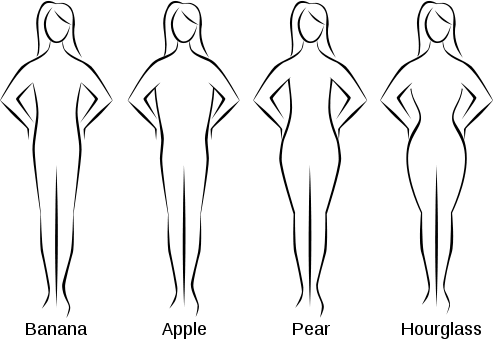
Apple shaped body- Apple shaped bodies are characterized by a wider bust than the lower part of the body. Thus, when you dress, you want to draw attention away from your upper body to give you a more symmetrical look. The best fabric in sarees that works for apple shaped bodies is silk. It drapes well and accentuates the lower half of your body. Sarees with embellishments and sequences around the mid-section also work for this body type. Stay up from chunky necklaces too.

Pear shaped body- This is quite the opposite of an apple shaped figure. Pear shape is characterized by wider hips and narrower shoulders. For women with a pear shaped body, lighter fabrics such as chiffon and crepe are ideal. They give you a symmetrical look.

For those with a fuller physique- For women who are slightly on the heavier side, it is best to avoid fabrics which stick out such as brocade, tissue or stiff cotton. Rather, sarees in chiffon, georgette or handloom cotton, which drape the body, are a better fit. Women who are short in height should avoid sarees with wide borders. In fact, it is best if they go for sarees with minimal borders. Wide borders give you a wider look and hence, make you appear shorter.

Slim women- Those with a slim physique are at a definite advantage, since most fabrics and saree types look good on them. It depends on the kind of look you want to go for. For accentuating your figure, go for chiffon or georgette. For a more fuller look, tissue and brocade work well. Women with a slim physique are the best fit to carry off heavy Kanjivaram sarees or traditional Benarsi sarees with rich embroidery and patterns. If you are tall as well as slim, large prints and geometric patterns would look great on you, since they add width to your frame. 

Hand Block Printing – A Timeless Craft Revisited

Block printing is an ancient printing technique used on cloth and textiles to make beautiful patterns. The origins of hand block printing are believed to lie in China, where the technique was first used around the 3rd century. However, with time, as travelers from China travelled to India and other parts of Asia, the technique was picked up artisans in these parts as well.

According to written records, the technique has been practiced in India since the 12th century. Hand block printing is a technique where blocks of wood are used for making intricate patterns on cloth. Patterns are etched onto wood with the help of needle. These wooden blocks are then dipped in a dye and pressed onto the cloth to imprint the pattern on them.

Traditionally, the dyes used for this purpose were natural vegetable dyes. However, with the advent of synthetic dyes, the use of natural dyes has been limited to very few regions in India. Like every other traditional art form, hand block printing too was on the verge of extinction not long ago.

However, with efforts from various organizations and larger exposure of this art form to the outside world, this technique of cloth printing is slowly seeing a revival of sorts. One of the regions in India which is pioneering the revival of hand block printing is Rajasthan.

There are various regions in Rajasthan where this traditional technique is alive and well. Each of these regions have a different flavor of their own, although they use basically the same hand block printing technique.

Some notable regions in Rajasthan which are well known for producing some really fine pieces of hand block printed sarees and other garments are Sanganeri, Bagru and Dabu. In fact, it is in Bagru, Rajasthan that artisans still use natural vegetable dyes in their printing technique.

Apart from that vital difference, there is another difference which you are likely to find between the three regions- while Bagru artisans use neutral tones such as brown, beige etc. for hand block printing, those in Sanganeri use much brighter colors as their base.

As for Dabu, the artisans here use a slightly different technique than the other two regions. Here, a design is sketched on a cloth which is used as a background. Clay and saw dust is sprinkled on the design which then dries and sticks to the cloth. Thereafter, the entire cloth is dipped in different colored dyes. The part where the clay was sprinkled does not get dyes while the rest of the fabric does. To finish the process, the cloth is washed to get rid of the clay and saw dust.

Trends today

A Hand Block Printed Dress by Anokhi (www.anokhi.com)With this traditional technique seeing a revival today, Indian designers are already experimenting with it to create interesting patterns and designs. A whole range of block printed sarees were on display as the recently concluded Lakme Fashion Week 2012. In fact, it was not just sarees on display. There were hand block printed skirts and tops as well, with an interesting mix of fabrics.

Try a hand block printed skirt with vibrant patterns for a bohemian look. For something more subdued, try a pleated skirt in off-white with hand block prints in a similar tone.


If you like the blog post, we’d like you to Subscribe to the blog OR Find us on  Facebook, and Twitter

Sabyasachi Mukherjee & Band Baaja Bride

The master designer in fashion turns to Indian Television Audience!

Sabyasachi Mukherjee, after serving the world of fashion for almost a decade now turns into a TV mentor. “Band Baaja Bride with Sabyasachi” has proved to be a hit in the market for quite some time now. Aired every Friday on your favorite channel NDTV Good Times, “Band Baaja Bride with Sabyasachi” is a cream over a hot tea for the viewers.


A first of its kind, the show is dedicated to making every bride’s dream come true as she gets a spectacular makeover, finest designer clothes and exquisite accessories along with tips from the who’s who of the fashion and glamour world.

With his innovative techniques and thoughts, in this show he does makeovers for young girls. Changing them to bridal divas is truly an exciting theme

Keeping in mind the nuptial season and its fashion needs, nothing could be better than a show that is entirely dedicated to the beautiful Indian bridal wears.